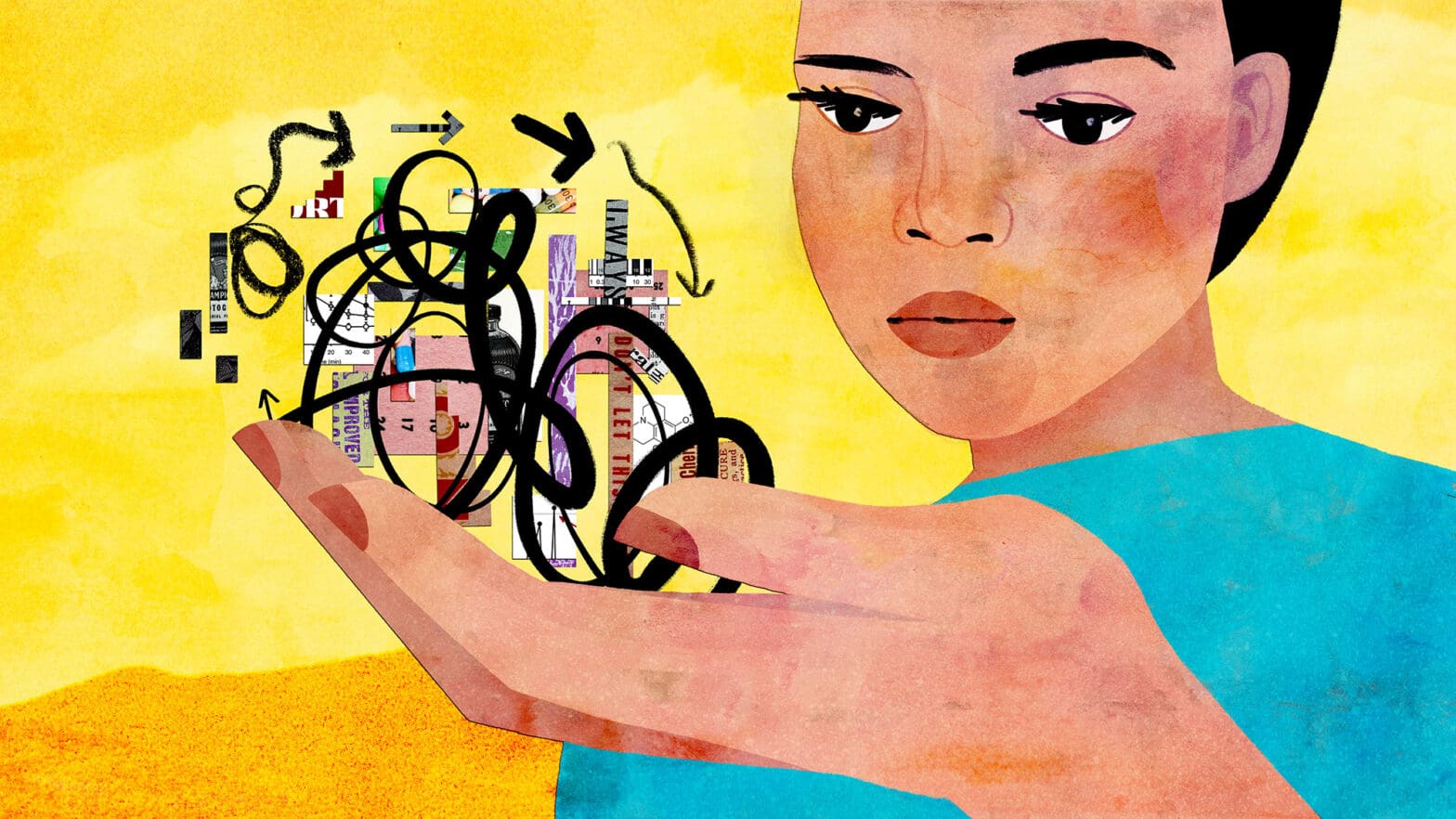
Addiction is a deeply human experience. It can affect anyone—regardless of background, age, or circumstance—and it often begins quietly. While the outward signs may differ, the internal struggle is remarkably similar. From the outward normality of a well-dressed gambler to the visible desperation of someone dependent on a substance, addiction wears many faces yet shares common roots.
Addiction is not a weakness or moral failing. It is a complex interaction between biology, psychology, and environment. It changes how the brain responds to stress, pleasure, reward, and control. Most importantly, addiction is treatable, and recovery is genuinely possible for everyone.
This article was written by Dr. Amelia Haines, a Sydney-based medical practitioner with over 20 years of clinical experience in mental health, trauma, addiction support, sexual health, and relationship therapy. In her clinical work, Amelia has supported many clients navigating addiction, relapse, shame, and recovery using evidence-based, trauma-informed approaches.
What Is Addiction?
Addiction is a condition where a person becomes compelled to continue using a substance or engaging in a behaviour despite knowing it is harmful. It is often described as a chronic, relapsing condition because it can re-emerge after periods of stability or abstinence.
Common forms include:
- Substance addictions — alcohol, nicotine, prescription medications, and illegal drugs
- Behavioural addictions — gambling, shopping, pornography, gaming, or compulsive internet use
At its core, addiction involves a loss of control and a narrowing of focus. Over time, the addictive substance or behaviour begins to dominate thoughts, emotions, relationships, and routines. What may begin as comfort, escape, or coping can gradually become something that feels impossible to stop.
The Hallmarks of Addiction
Craving and Compulsion
A defining feature of addiction is intense craving. These cravings can feel intrusive and overwhelming, driving someone to seek the addictive behaviour even when they genuinely want to stop.
Loss of Control
People often describe feeling powerless over their use. The rational part of the brain becomes overridden by the emotional reward system, making addiction far more complex than simply “willpower.”
Tolerance and Escalation
As the body adapts, more of the substance or behaviour is needed to achieve the same effect. This leads to increasing use, risk-taking, and a cycle of escalation.
Withdrawal and Distress
When stopping, people may experience physical or emotional withdrawal—such as sweating, nausea, anxiety, irritability, or depression. These symptoms can quickly drive relapse.
Neglect of Other Responsibilities
Work, relationships, hobbies, and health may gradually fall away as addiction becomes the main organising force of life.
Denial, Shame, and Secrecy
Shame is a major driver of addiction. Many people minimise their behaviour or hide it from loved ones. Compassionate understanding—not judgement—is often the first step toward change.
Why Addiction Happens
Addiction is not caused by one factor. It emerges from a combination of:
- Biological factors: genetic vulnerability, brain chemistry differences, dopamine reward system sensitivity
- Psychological factors: trauma, anxiety, depression, stress, emotional pain
- Social factors: family patterns, peer influence, cultural norms
- Environmental stressors: poverty, isolation, instability, or chronic stress
When we understand addiction as a learned coping mechanism—not a personal failure—compassion and evidence-based support become possible.
Book an Appointment
If you or a loved one is struggling with addiction, Dr. Amelia Haines offers confidential, trauma-informed support from her Sydney practice.
Book a SessionTreatment and Recovery
Acknowledgement and Help-Seeking
The first step is recognising that help is needed. This is often the hardest part, especially when shame or denial is present.
Medical and Psychological Support
Treatment may include detoxification, medication, or ongoing medical support. Therapy provides a safe space to understand triggers and regain control.
Psychotherapy
Approaches such as CBT, ACT, and Motivational Interviewing help individuals build healthier coping strategies and rebuild self-trust.
Peer Support
Groups like AA, NA, or SMART Recovery provide community connection, accountability, and shared experience.
Lifestyle and Relapse Prevention
Long-term recovery involves building a balanced, meaningful life—restoring sleep, nutrition, relationships, and stress management. Relapse is not failure; it is feedback that more support may be needed.
Family and Relationship Support
Addiction affects loved ones too. Family therapy, education, and communication support can repair relationships and improve understanding.
When to Seek Professional Help
You can seek help at any stage—whether you’re noticing early patterns or are already struggling with compulsive use. People commonly reach out when they experience:
- difficulty controlling use
- increasing reliance on substances or behaviours
- shame, secrecy, or regret
- relationship breakdowns
- withdrawal symptoms
- cycles of stopping and restarting
How Dr. Amelia Haines Supports Clients
Amelia takes a warm, grounded, and non-judgemental approach. Her work focuses on:
- reducing harmful patterns
- identifying triggers
- building healthier coping tools
- processing trauma or emotional pain
- strengthening self-trust and confidence
- creating long-term relapse-prevention plans
A Message of Hope
No one is beyond help. Addiction thrives in isolation and shame, but healing begins with understanding, support, and connection. With professional care, personal courage, and sustained support, recovery is not only possible—it is common.
Frequently Asked Questions
What causes addiction?
Addiction develops due to a combination of biological, psychological, social, and environmental factors.
Can addiction be treated?
Yes. Addiction is highly treatable through therapy, medical support, peer programs, and lifestyle change.
Is relapse a failure?
No. Relapse is common and signals the need for additional support or new coping strategies.
How do I support a loved one with addiction?
Offer compassion, set boundaries, learn about addiction, and encourage professional help.
About the Author
Dr. Amelia Haines is a Sydney-based medical practitioner with over 20 years of experience in mental health, addiction support, sexual health, and relationship therapy. She provides warm, trauma-informed care using evidence-based approaches such as CBT, ACT, and Motivational Interviewing. Amelia is passionate about helping clients understand their patterns, reduce distress, and build meaningful lives.