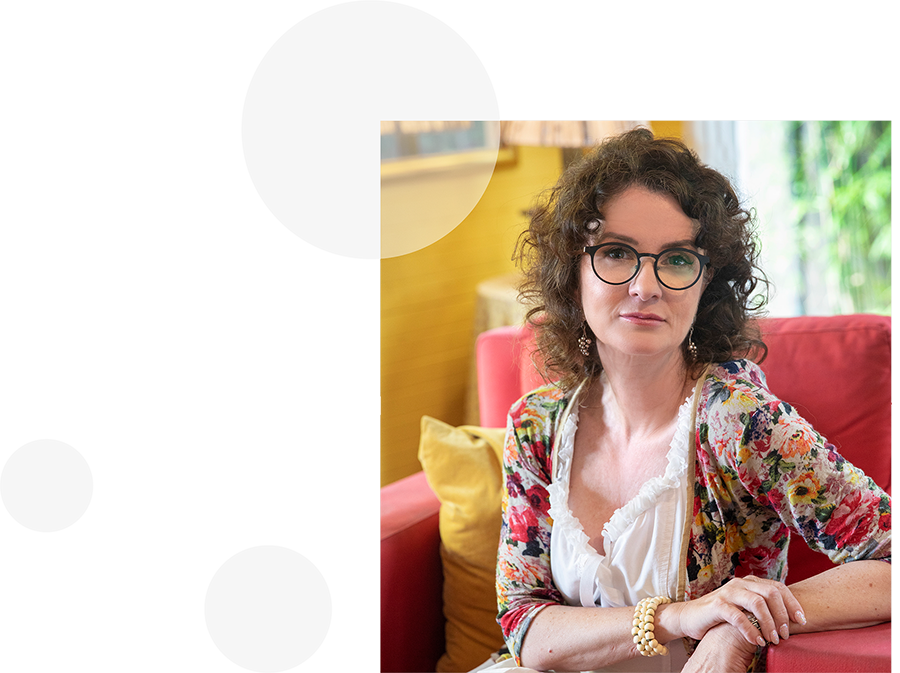
In today’s diverse and dynamic world, the titles we choose to define our professions can often lead to confusion, miscommunication, and sometimes even comedy. Over the past 20 to 25 years, the field of sexual health has broadened significantly, and with that expansion comes a multitude of titles — including the increasingly common term “sexologist.” Each title reflects different aspects of expertise and training. As someone deeply embedded in this field, I have seen this evolution firsthand, and it has prompted me to reflect on what these titles mean — not only for professionals like myself, but for the people we are here to help.
What Is a Sexologist?
A sexologist is a professional who specialises in human sexuality — including sexual health, relationships, sexual dysfunction, and education. Sexologists may come from a range of backgrounds, including psychology, medicine, counselling, or education, and their scope of practice can vary considerably depending on their training. According to AASECT — one of the leading professional bodies in sexual health — practitioners in this field include physicians, nurses, social workers, psychologists, marriage and family therapists, and researchers, all united by a focus on human sexuality and wellbeing.
In the realm of healthcare, the title we carry can have a profound impact on how we are perceived by our clients. As a medical doctor, I’ve found that my title inherently carries a degree of trust. Patients often feel a sense of comfort and security simply by knowing that I am a doctor. There’s no need for me to adopt a “fancy” title; my medical degree provides the reassurance that clients are seeking when addressing sensitive issues related to relationships and sexuality.
However, not all sexologists hold a medical degree. Many professionals who have pursued extensive training in related areas grapple with the challenge of finding a title that adequately reflects their qualifications without sounding pretentious or gimmicky. While “sexologist” is intended to denote expertise in sexual health, I personally find the title to be somewhat contrived and detached from the real, personal nature of our work.
The Unintended Consequences of Titles
The proliferation of various titles — sexologist included — has its downsides. I have encountered situations where my children, at just seven years old, felt the need to step in and clarify my profession to their peers. “No, my mum is not a sex worker; she’s a doctor who helps people with relationships and educates them about sex.” To be honest, I’m not sure it was ever quite as succinct as that. It highlights a fundamental misunderstanding that can arise from job titles that don’t convey the full picture of what we do.
This confusion isn’t unique to my household. Many people searching for a sexologist online aren’t entirely sure what they’re looking for — or whether a sexologist, a sex therapist, or a doctor is the right fit for their needs. The ever-evolving nature of sexual health and the titles associated with it can create barriers — not just for professionals trying to establish their credentials, but also for clients who are seeking help.
What Does a Sexologist Actually Do?
As I navigated these complexities, I found myself adopting a variety of titles: sex counsellor, sex educator, couples therapist, psychotherapist, and doctor. In many ways, this reflects what a sexologist does in practice — it’s rarely one thing. Each title encompasses a different aspect of the work, reflecting training, experience, and the comprehensive support provided to clients.
Whether you’re seeing a sexologist for relationship difficulties, sexual dysfunction, intimacy concerns, or simply to better understand your own sexuality, the scope of the work is broad. This multifaceted identity allows practitioners to be more relatable and accessible, breaking down some of the barriers that titles can create.
A Holistic Approach to Sexual Health
In my work, I emphasise a holistic approach to sexual health. Whether I’m counselling couples, providing education about sexual wellness, or addressing mental health issues that may impact relationships, my goal is to foster open and honest communication. I believe that everyone deserves the opportunity to understand their desires and challenges without judgment or stigma.
The World Health Organization defines sexual health as “a state of physical, emotional, mental and social well-being in relation to sexuality” — a definition that goes well beyond the absence of illness. This is, at its core, what working with a sexologist should feel like: a space where you can discuss your most intimate concerns and your questions about relationships, without fear of judgment.
Do You Need a Sexologist, or Something Else?
If you’re unsure whether you need a sexologist, a sex therapist, a psychologist, or a doctor, the honest answer is: it depends on what you’re dealing with. It’s worth understanding that these are not interchangeable roles. AASECT notes that sexuality education, counselling, and sex therapy are separate disciplines — not levels of expertise within a single field — each requiring its own distinct skills, training, and qualifications.
Titles alone cannot encompass the depth of expertise and care that practitioners bring to their work, which is why I encourage clients to ask questions during an initial consultation. When clients understand my qualifications, they are more likely to feel reassured about the help I can provide. I focus on creating a safe space where they can explore their feelings without fear of judgment.
Breaking Down Stigmas Around Seeing a Sexologist
Part of my mission as a healthcare provider is to break down the stigmas surrounding sexual health — including the stigma some people feel about seeing a sexologist in the first place. By openly discussing the challenges we face in defining our roles, I hope to shed light on the reality that many of us are simply dedicated to helping others navigate complex issues.
It’s vital for everyone to perceive sexual health as a normal and necessary aspect of overall wellbeing. When we normalise these conversations, it becomes easier for individuals to seek help — whether that’s from a sexologist, a therapist, or their GP.
The Future of the Sexologist
Looking ahead, I believe the discourse surrounding professional titles in sexual health will continue to evolve. The term “sexologist” may become more widely understood and accepted as conversations about relationships and sexuality become increasingly mainstream. The key lies in maintaining flexibility and adaptability, as well as reinforcing our commitment to our clients’ needs.
Whether you’re looking for a sexologist, a sex counsellor, or simply a doctor who takes these conversations seriously, what matters most is finding someone you trust. Seeking help is an act of courage and self-care, regardless of the title.
Frequently Asked Questions
A sexologist is a professional who specialises in human sexuality — including sexual health, relationships, sexual dysfunction, and education. Sexologists may come from a range of backgrounds including medicine, psychology, counselling, or education, and their scope of practice varies depending on their training and qualifications.
A sexologist can help with a wide range of concerns including relationship difficulties, sexual dysfunction, intimacy issues, sexual identity, and general sexual wellbeing. The scope of practice varies — some sexologists focus on education, others on counselling or therapy, and some (like me) bring a medical background to the work.
Sex therapy is a specific clinical discipline requiring advanced qualifications in psychotherapy. Sexology is a broader term that encompasses education, counselling, and research in human sexuality. According to AASECT, these are separate disciplines — not levels of expertise within the same field — each requiring its own distinct skills and training.
It depends on your situation. If your concerns are primarily physical — such as pain during sex, hormonal issues, or a medical condition affecting your sex life — a doctor is the right starting point. If your concerns are more relational or psychological, a sexologist, sex therapist, or counsellor may be more appropriate. In many cases, a combination of both is helpful. As a doctor with specialist training in sexual health, I often bridge both areas.
Absolutely. Sexual health is a recognised dimension of overall wellbeing. The World Health Organization defines sexual health as a state of physical, emotional, mental and social wellbeing in relation to sexuality — not simply the absence of disease. Seeking support from a sexologist or sexual health professional is a normal and proactive part of looking after yourself.
Yes. Many sexual health practitioners, including doctors who specialise in this area, offer telehealth consultations Australia-wide. This can make it easier to access support privately and from the comfort of your own home. I offer telehealth appointments for people across Australia — you can book directly through my website.
Ready to talk?
I offer in-person consultations in Sydney and telehealth appointments for people across Australia. Whether you’re not sure where to start or you’ve been thinking about this for a while — I’m here to help.
Book a Consultation